Heritage
Ancestral Heritage: Preserving Regional Recipes
Many regional recipes live only in the memory of our elders. Here we record recipes from 38 provinces with the stories, spices, techniques and traditions behind them, so our children and grandchildren can keep cooking them.
Heritage articles
All articles → Ancestral Heritage
Why Ancestral Recipes Need to Be Preserved
Many regional recipes live only in the memory of our elders. Here is why ancestral recipes need to be written down, and simple ways to help preserve them.
 Ancestral Heritage
How to Record Grandma's Recipes Before They Are Lost
A practical guide to recording recipes from grandparents: turning 'to taste' into real measurements, filming the steps and keeping the story behind each dish.
 Ancestral Heritage
Indonesian Spice Pastes: Base Genep, Yellow, Red and White
Get to know Indonesia's base spice pastes: Balinese base genep, yellow, red and white pastes, and how to make a week's supply ahead.
 Ancestral Heritage
Traditional Indonesian Cooking Techniques We Are Losing
Stone-pit cooking, se'i smoking, leaf-wrapped cooking and tempoyak fermentation: ancestral Indonesian techniques and how to try them in a home kitchen.
 Ancestral Heritage
The Spice Route: Cloves, Nutmeg and the Indonesian Kitchen
Cloves and nutmeg from Maluku once brought the world to Indonesia. The story of the spice route and the traces it left in the regional dishes we cook today.
 Ancestral Heritage
Food in Indonesia's Traditions and Ceremonies
Lawar in Bali, rendang in Minangkabau, stone-pit feasts in Papua and tumpeng in Java: the dishes at the heart of Indonesia's traditions and ceremonies.
Recipes featured in these articles
All provinces →Yogyakarta
Gudeg (Yogyakarta Young Jackfruit Stew)
Gudeg Jogja
Young jackfruit cooked for hours with coconut milk, palm sugar and teak leaves until reddish brown, sweet and rich. Served with spicy krecek, chicken and egg.
West Sumatra
Beef Rendang
Rendang Daging Sapi
The Minang masterpiece. Beef simmered in coconut milk and spices for hours until dry, dark brown and able to keep for weeks.
 Maluku
Papeda with Yellow Fish Soup
Papeda dan Ikan Kuah Kuning
Clear, chewy sago porridge (papeda) eaten with tuna or snapper in a sour yellow broth. The classic pairing from Ambon.
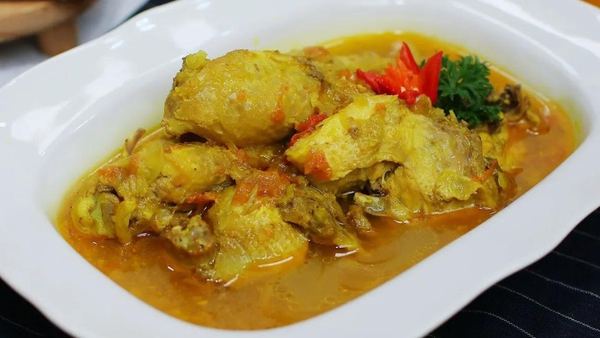 West Nusa Tenggara
Siong Sira (Sumbawa Beef in Yellow Broth)
Siong Sira Daging Sapi
A Sumbawa dish of beef and beef fat simmered in a yellow broth with turmeric, candlenut and tamarind until tender. The broth is rich, savoury, slightly oily and made without coconut milk.
West Java
Sundanese Nasi Liwet
Nasi Liwet Sunda
Savoury Sundanese rice cooked with lemongrass, bay leaves, salted fish and whole chillies. Best eaten together on banana leaves.
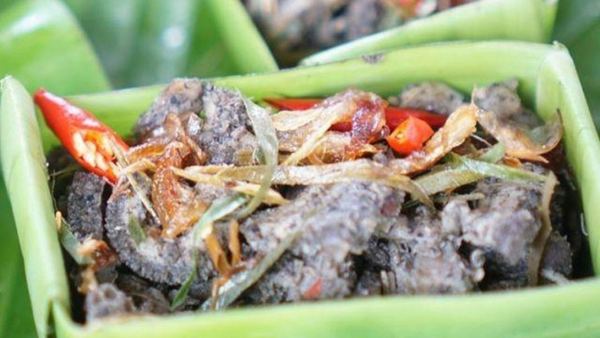 West Nusa Tenggara
Gecok (Sumbawa Beef and Offal with Coconut and Sesame)
Gecok Sumbawa
Traditional Sumbawa gecok of beef, liver and tripe cooked with coconut milk and toasted coconut until the spices are thick and clinging, finished with toasted sesame and the fresh sourness of bilimbi.
 Bali
Bali
Jukut Urab (Balinese Vegetable Salad with Coconut)
Jukut Urab
Balinese urap of vegetables with grated coconut seasoned with base genep. An essential part of Balinese nasi campur.
 Jambi
Jambi
Kue Padamaran (Rice Flour Pudding with Palm Sugar)
Kue Padamaran
A traditional Jambi and Palembang sweet in banana-leaf cups: rice flour and coconut milk on top, liquid palm sugar at the bottom.
Bali
Ayam Betutu (Balinese Spiced Chicken)
Ayam Betutu
Whole chicken stuffed and coated with Balinese base genep, wrapped in banana leaves and steamed or roasted for hours until tender and spiced to the bone.
Bali
Lawar Ayam (Balinese Chicken Lawar)
Lawar Ayam
Balinese lawar of long beans, toasted grated coconut and minced chicken mixed with base genep. The traditional version uses pork and blood; this one uses chicken.
North Maluku
Ternate Yellow Rice
Nasi Kuning Ternate
Ternate's savoury yellow rice served with smoked skipjack (cakalang fufu), fish floss, egg and sambal. A popular breakfast.
Highland Papua
Bakar Batu (Papuan Stone-Oven Feast) with Chicken
Bakar Batu (Barapen) Ayam
The communal cooking tradition of the Baliem Valley. Stones are heated and layered with sweet potatoes, vegetables and meat in an earth pit. This version uses chicken so everyone can enjoy it.
East Nusa Tenggara
Se'i (Kupang Smoked Beef)
Se'i Sapi
Beef cut into long strips and slowly smoked over kosambi wood embers until cooked and fragrant. From Kupang and Rote, served with sambal lu'at.
Bali
Tum Ayam (Balinese Steamed Chicken Parcels)
Tum Ayam
Balinese minced chicken seasoned with base genep, wrapped in banana-leaf cones (tum) and steamed. Often part of Balinese nasi campur.
 Jambi
Jambi
Patin Fish in Fermented Durian (Tempoyak)
Tempoyak Ikan Patin
Patin catfish cooked with tempoyak (fermented durian) and chillies into a yellow, sour, spicy broth with a distinct durian aroma.
 North Maluku
Gohu Ikan (Ternate Tuna Ceviche)
Gohu Ikan
Ternate's 'sashimi' of fresh tuna cured in citrus juice, then dressed with hot coconut oil and crushed peanuts.
 North Maluku
Bagea Kenari (Sago and Kenari Nut Cookies)
Bagea Kenari
Hard sago and kenari nut cookies from Ternate and Maluku. Firm and fragrant with spice, perfect for dunking in tea or coffee.
 South Kalimantan
Ketupat Kandangan (Rice Cakes with Grilled Fish Curry)
Ketupat Kandangan
Rice cakes from Kandangan served with grilled snakehead fish in a thick yellow coconut sauce. Usually eaten by hand.
Send us your ancestral recipe
Help us record regional dishes before they are lost. Send your family recipe by email. We will write it up with the name of its home region and credit you as the sender if you allow it.
- Dish name, its name in the local language and what it means
- Home region (regency or city and province)
- Number of servings
- Ingredients with measurements (grams, ml, spoons or pieces)
- Cooking steps in order
- A short story: who the recipe comes from and when it is usually cooked
- A photo of the dish if you have one (your own photo)
Not written down yet? Read How to Record Grandma's Recipes first.